France · Beyond the postcard
France,
deeper than expected.
Everyone knows Paris. Almost nobody outside Paris knows the 13th — the modernist tower complex that became Europe's largest Asian neighbourhood. Everyone knows the Loire chateaux. Almost nobody walks the granite coast of Brittany off-season, or the forty kilometres of vineyards between two villages in the Jura. France from the Farside angle: well-known surface, lesser-known depths. Where to go, what's worth the journey, and the essays we've written along the way.
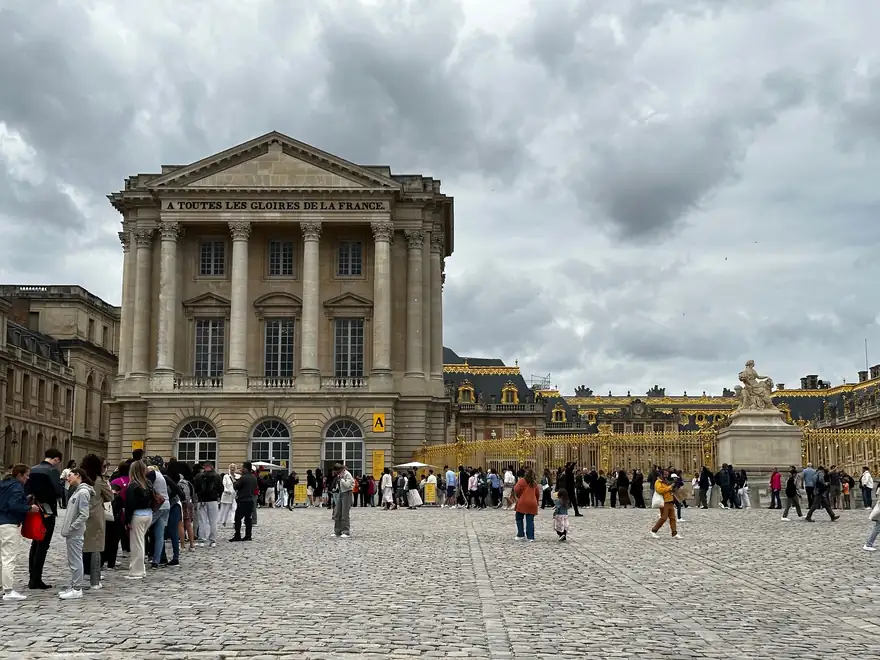
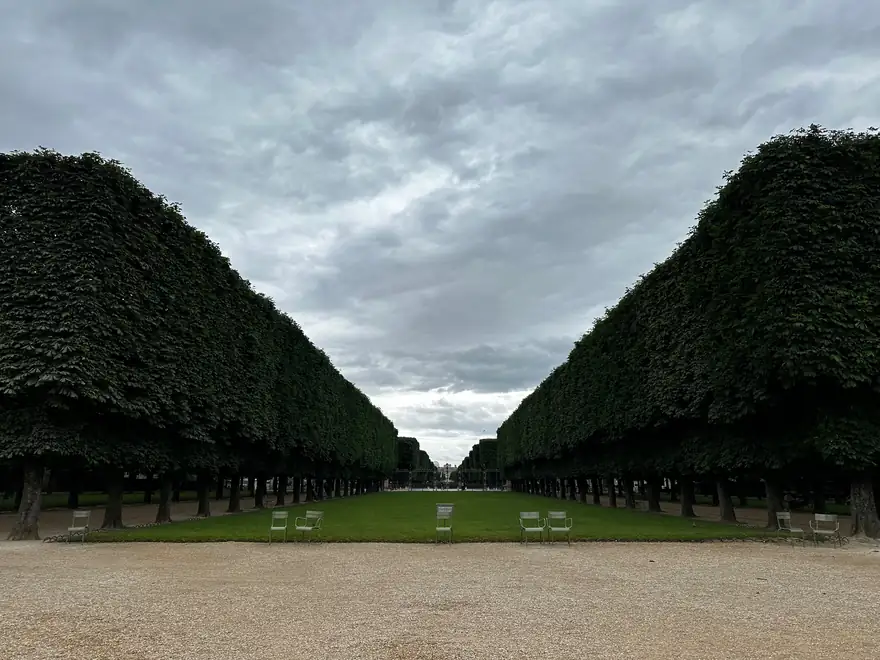
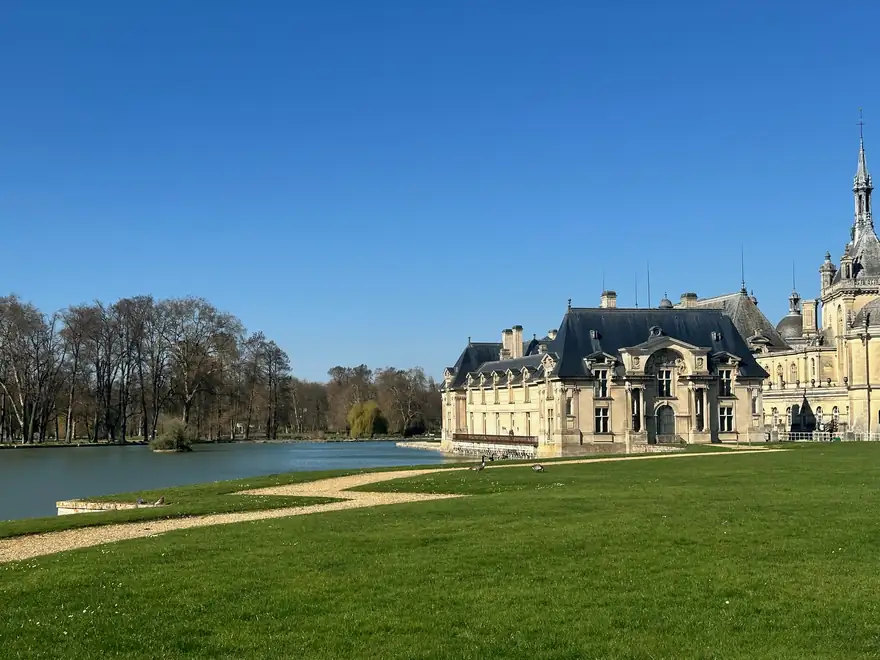
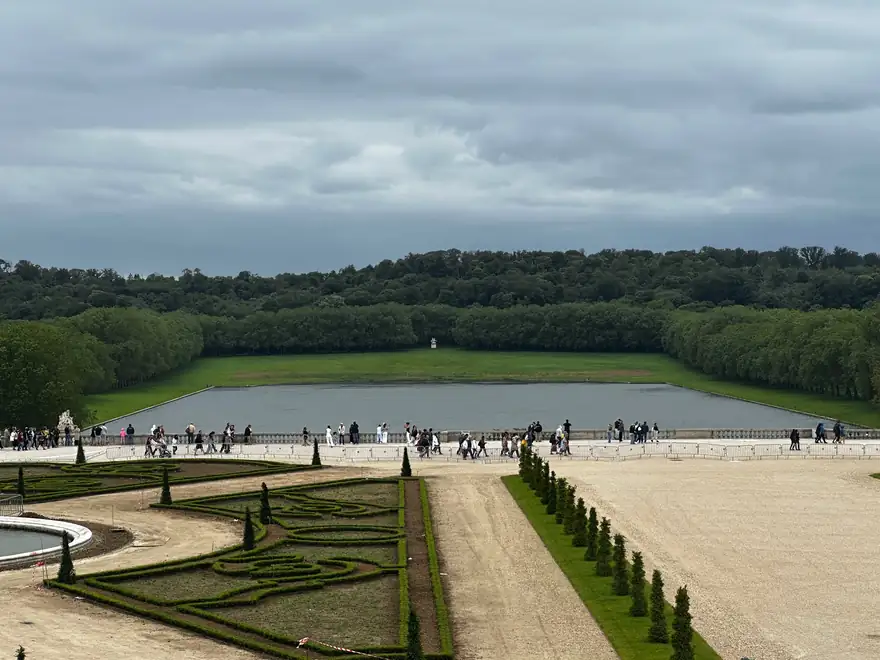
The most-visited country in the world. It does not follow that you've seen it.
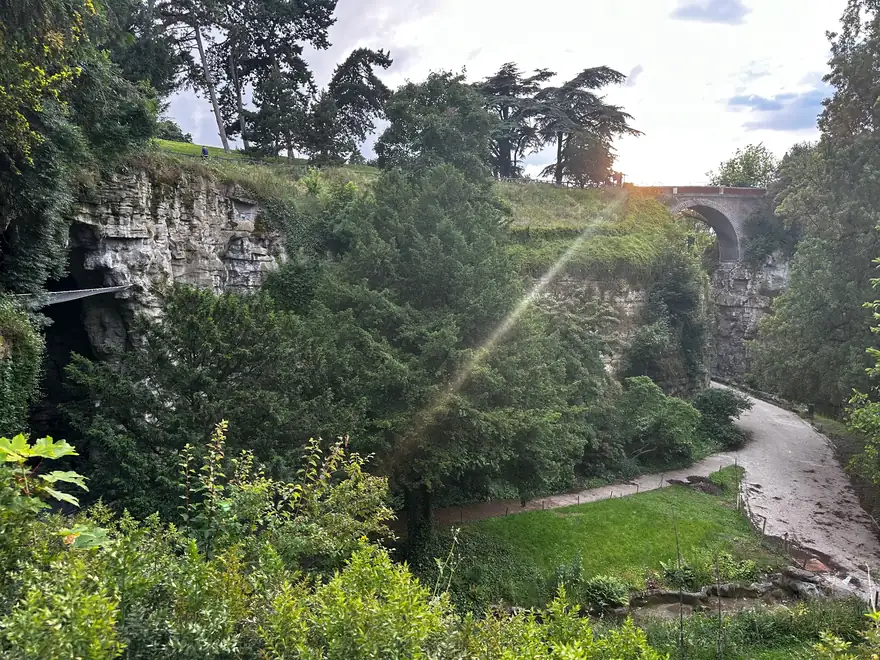
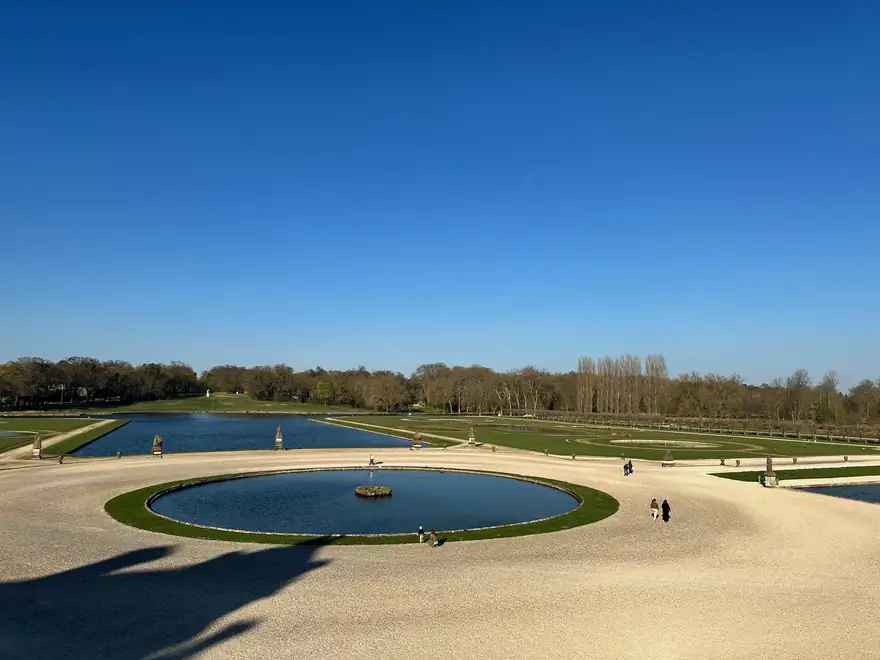
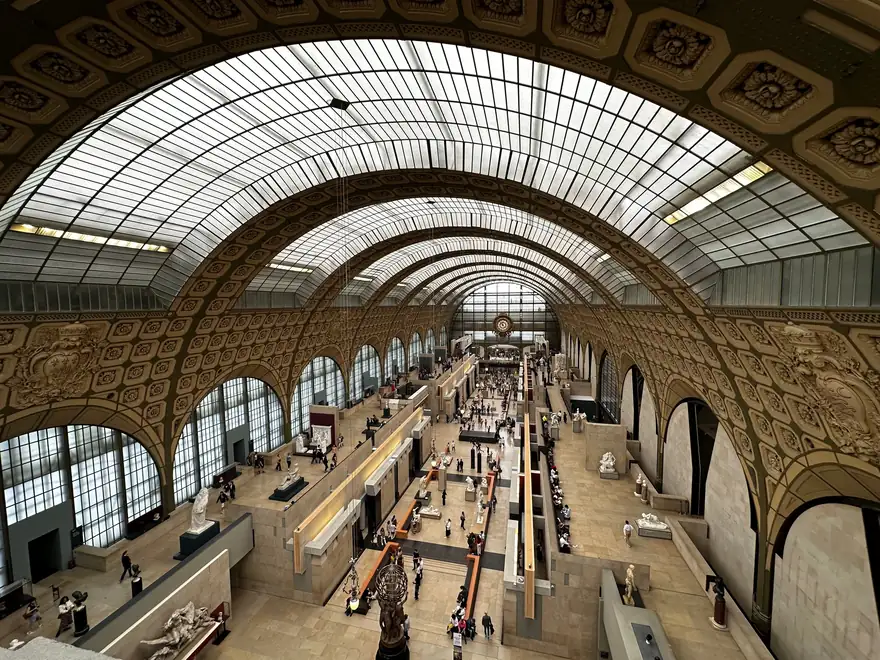
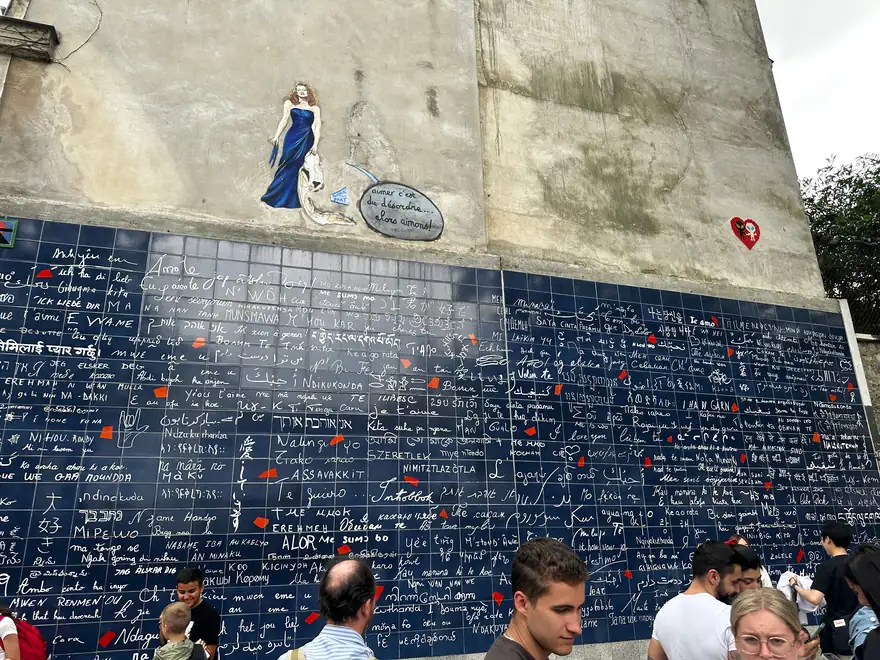
France receives roughly 100 million international visitors a year. The overwhelming majority of them experience some combination of: central Paris within 800 metres of the Seine, Versailles, Provence between June and August, the Côte d'Azur, and the Loire Valley chateaux loop. That is not a criticism — those places are world-class. It is an observation that the country is much, much larger and stranger than the itineraries suggest.
What Farside finds interesting about France is the seam between the well-known and the rarely-mentioned. The Olympiades complex above Paris's 13th arrondissement — failed 1970s modernism, the largest Asian community in Europe, an entire neighbourhood that doesn't look like Paris — sits a fifteen-minute Metro ride from Notre-Dame. Brittany's granite coast, walked off-season, feels closer to the Scottish Hebrides than to anything you'd associate with France. French Polynesia is technically the same country as Paris.
Unlike Farside's other destinations, France isn't operator-essential. The infrastructure is excellent, the language gettable, the logistics knowable from a phone. What this page is — what we can usefully add — is the angle. Which corners of France are worth the postcard cropping out. Where the slow-travel reward exceeds the friction. The essays we've published along the way.
France is geographically huge and quietly varied. These are the regions Farside thinks reward the long visit.
Paris & the Greater 13th
Everyone has been to Paris. Far fewer have stood in the Olympiades arcade and ordered noodles two storeys up. The capital region rewards the visitor who treats it as a city, not the Louvre and adjacent. See Side Note №001 below.
Paris notesBrittany
The most Atlantic part of France. Walked off-season, the GR34 coast path runs 2,000 km along granite headlands, Celtic standing stones, and fishing villages that the August crowds never reach. Crêpes-galettes culture is its own world.
Worth the tripThe Loire Valley
The chateaux are the postcard, but the Loire itself is the experience — Europe's last great undammed river, the wine villages of Sancerre and Chinon, troglodyte cave-houses dug into the tuffeau cliffs. Cycle it.
Worth the tripProvence (off-season)
In July and August it's a parking lot; in April and October it's one of the great walking landscapes in Europe. The Luberon villages, the Ochre Cliffs of Roussillon, the wild Calanques between Marseille and Cassis.
Worth the tripAlsace
France with a German accent — half-timbered villages, Riesling vineyards, the Strasbourg cathedral, the only meaningful Christmas markets the country runs. The Wine Route runs 170 km past dozens of villages most travellers never name.
Worth the tripCorsica
Technically France, culturally its own thing. The GR20 long-distance trail traverses the granite spine of the island over 180 km; the calanques of Piana drop limestone fingers into Mediterranean turquoise. Off-season the place empties.
Worth the tripNouvelle-Aquitaine
Bordeaux's wine country is the headline; the rest of the region is the discovery. The Landes pine forests, the surf coast from Biarritz to Hossegor, the Dordogne caves with their 17,000-year-old paintings.
Worth the tripFrench Alps & Jura
Chamonix and Annecy are the postcards; the Jura plateau just to the north is the rural counterpoint — Comté cheese farms, vin jaune cellars, forty kilometres of vineyards between two villages, and almost nobody you didn't bring with you.
Worth the tripFrench Polynesia
A 22-hour flight from Paris, still France. 118 islands across five archipelagos — Tahiti, the Marquesas, the Tuamotu atolls. The Marquesas, in particular, are one of the most remote inhabited landscapes the country contains.
Worth the tripMartinique & Guadeloupe
Caribbean départements of France — euros, French baguettes, and rainforest hikes up volcanoes. The cuisine is its own creole-French hybrid; the rum is internationally underrated.
Worth the tripParis is the headline. The other ones are the variety.
Paris (the 13th)
Three Métro stops south of Notre-Dame, an entire neighbourhood that doesn't look like Paris. Failed 1970s modernist towers, the largest Chinese community in Europe, a sulfur-yellow noodle bowl set into white concrete by an anonymous street artist.
Read the side noteLyon
Arguably France's eating city. Bouchons, the traboule passages of Vieux Lyon, the silk-weaver Croix-Rousse district. Markets that the rest of the country quietly defers to.
Worth a long weekendMarseille
Older than Paris by 600 years. A North African, Italian, Provençal mixing port that France's other cities still don't quite know what to do with. Bouillabaisse, the Calanques on its eastern edge, Le Panier old town.
Worth a long weekendBordeaux
Limestone wine merchant city, beautifully restored, surrounded by some of the most famous vineyards on earth. The Cité du Vin museum and the Saint-Émilion day trip are the obvious moves; the surf coast an hour west is the bonus.
Worth a long weekendNantes
Half-Breton, half-Loire-mouth, all reinvented around art — the Machines de l'Île, the Voyage à Nantes summer art trail, the brutalist Lieu Unique cultural centre in a former biscuit factory.
Worth a long weekendNice (off-season)
Off the August crush, Nice is a winter sun city — the Promenade des Anglais, the old town's onion-dome architecture, the Matisse museum on a hill, the Vieux Port. Day trips into the back-country make it a base.
Worth a long weekendShort observational pieces in the same voice as the Farside Journal. One thing, observed in passing.
A Bowl of Noodles Above a Chinese Restaurant in Paris
There is a part of Paris that does not look like Paris. A failed 1970s modernist tower complex, the largest Asian neighbourhood in Europe, a sulfur-coloured noodle bowl set into white concrete by an anonymous French street artist, and the assembled accident of forty years of decisions made for entirely separate reasons.
Read · June 2026Next side note in preparation
Side notes appear on no fixed schedule. They land when a corner of France earns one. Sign up to the Farside email list to be notified when the next one publishes.
In preparationDoes Farside book trips to France?
No. France is the only country on our destination list where we don't run an operator partnership — the country's infrastructure is excellent and the logistics are knowable from a phone. The destination guide above and the side notes are what we add: the angle, the corners, the journeys worth the friction. Booking flights and hotels is on you (Skyscanner + Booking.com + Google Maps will get you there).
When should I visit?
Almost any month other than August. Paris empties in August (which can be charming) but everywhere else fills (the Côte d'Azur becomes a parking lot, the Provence villages triple in population). May, June, September, October are the sweet spots across most of the country. Brittany walks beautifully in October. The Alps work both summer (hiking) and winter (skiing). The Caribbean départements are December through April.
How long do I need?
For Paris alone, a long weekend. For Paris plus one region, a week. For two regions including travel between them, ten days. For French Polynesia, allow two weeks minimum — the flight from Paris is 22 hours and the island-hopping takes time.
How much French do I need?
In Paris and the major cities, almost none. Off the tourist trail — rural Brittany, the Jura, small Loire villages — the bonjour-merci basics make a meaningful difference. The English-as-a-second-language conversation is more common in 2026 than it was a decade ago, but France remains a country that appreciates the effort.
Visa?
France is in the Schengen Area — most Western passports get 90 days visa-free in any 180-day window. Set your citizenship in Farside Passport and the visa overlay will show you the exact policy for your nationality. The 90/180 Schengen rolling-window counter is in Wayfarer's tax-residency tracker if you're a frequent EU visitor.