Tanzania has eleven national parks, two archipelagos, and a thousand-year-old coastline. The Serengeti is one item on the list.
Most Tanzanian itineraries are a compressed highlights reel — the northern circuit, the Ngorongoro Crater, the big five ticked off in a week from a Land Cruiser. It’s a justifiably popular week. Worth doing if it’s the trip you came for. But there is a great deal of Tanzania you don’t see when you spend a week looking at the same patch of ground.
A few hours south of the famous parks, something else is happening. Ruaha stretches across 20,000 square kilometres and receives fewer visitors in a year than the northern circuit gets in a long weekend. Mahale’s chimpanzee population has been studied since 1965 and still almost nobody goes. And off Tanzania’s eastern coast, Zanzibar carries six centuries of Indian Ocean trade in its stone walls — a place most visitors reduce to a beach holiday, missing the history entirely.
None of this is offered as a substitute for the famous parks. It’s the rest of the country. The guides, conservancy rangers, and local communities who work it earn more when travellers choose them directly.
Davies
Tanzania local
“Tanzania still surprises me, and I’ve lived here all my life. Most travellers come with a checklist, and I always tell them the best moments are the ones that aren’t on it. Ask me anything — the parks, the people, what mornings sound like in the villages. I love showing this place to people who actually want to know it.”
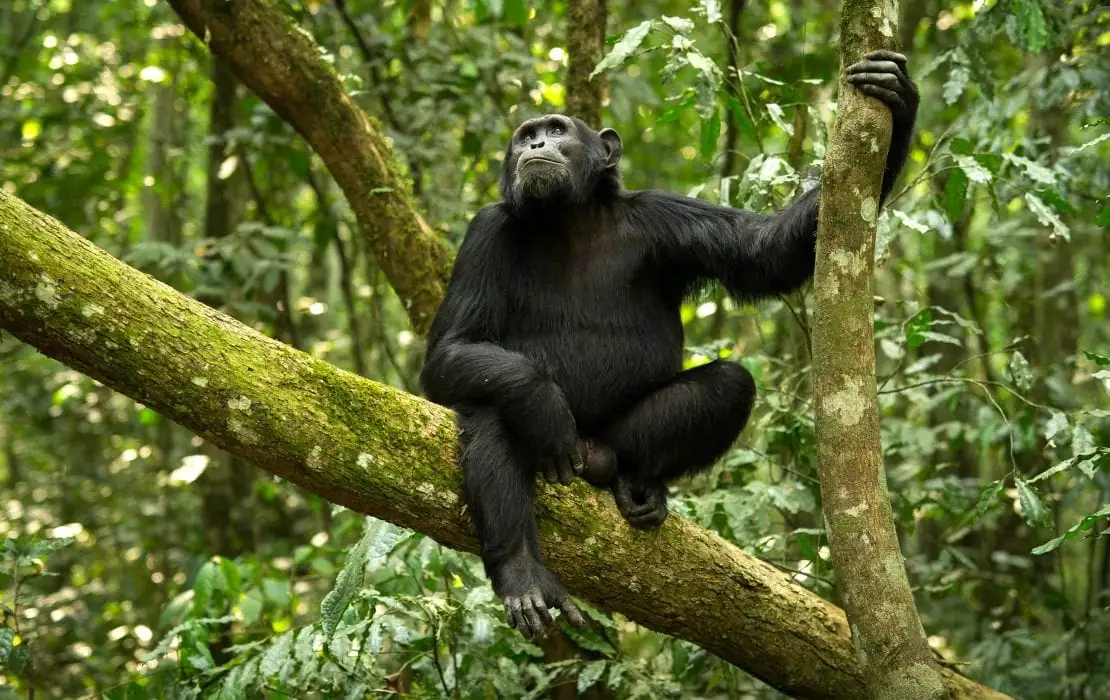
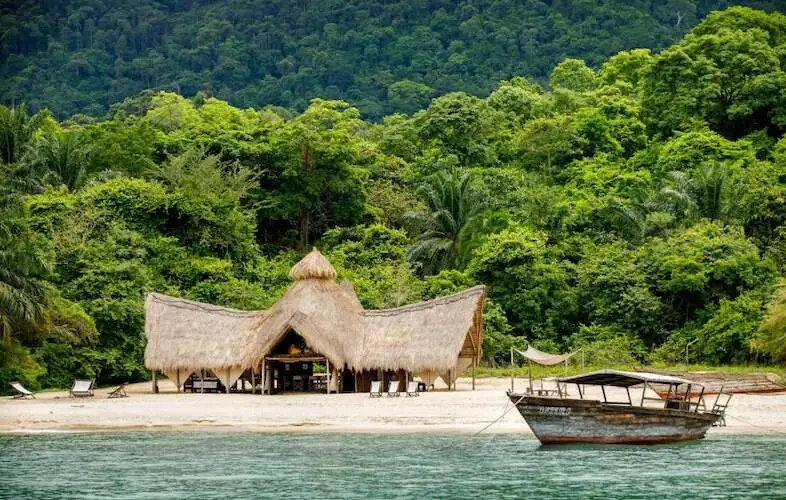
Mahale Mountains National Park · Lake Tanganyika shore
Tanzania · Mahale Mountains
Chimpanzee Trekking on Lake Tanganyika
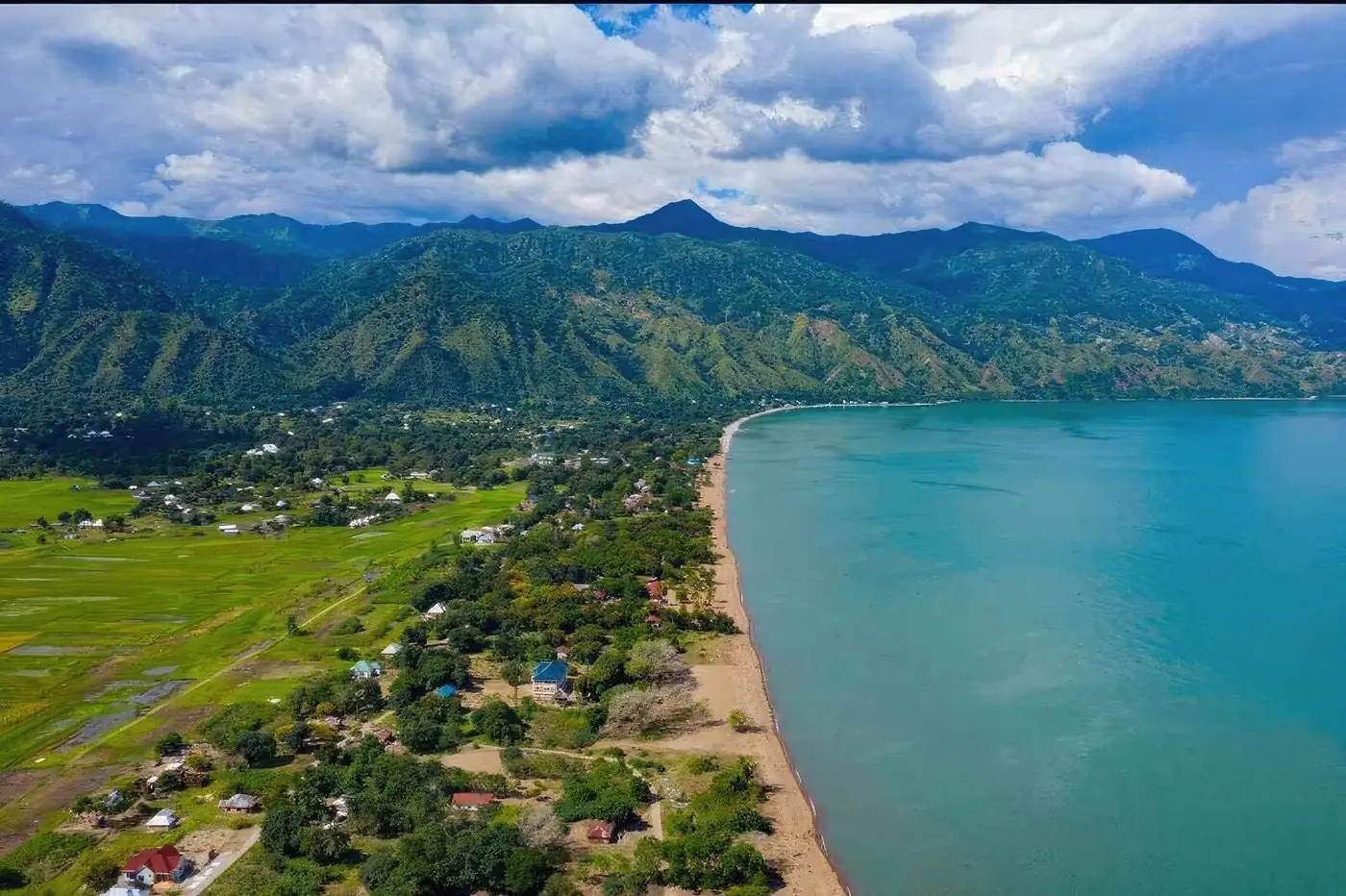
There are no roads into Mahale. You arrive by wooden dhow across Africa’s deepest lake, the water an improbable shade of blue-green, watching the mountains rise out of it in the early morning like something being slowly revealed. The forest begins exactly at the waterline.
The Mahale chimpanzees have been studied continuously since 1965 — one of the longest-running primate field studies on earth. Six decades of observation means these animals are not merely habituated; they are known, individually, by name. You trek with that knowledge at your back, and it changes what you see.
Groups are capped at six. There is one trek per group per day. The camp on the lakeshore is deliberately small — banda-style, solar-powered, built by people who grew up on this water and intend to stay. In the evenings, you can swim in Tanganyika. The light goes slowly here.
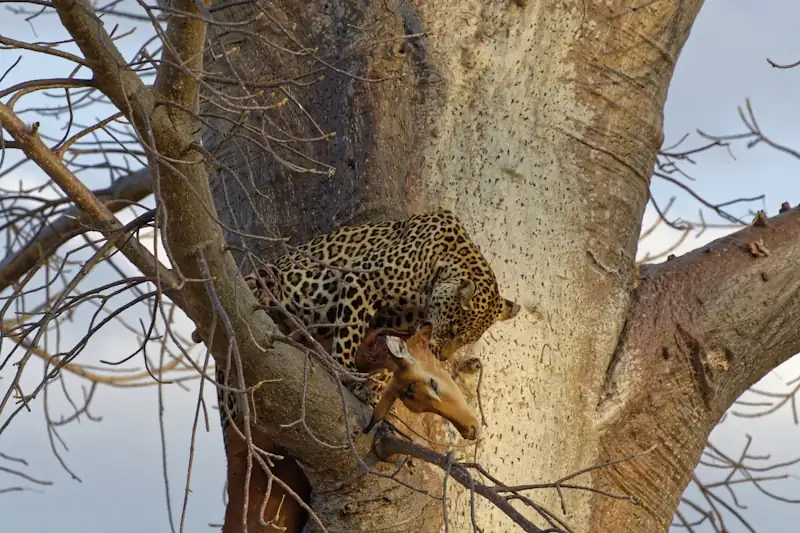
Ruaha National Park · Great Ruaha River basin
Tanzania · Ruaha National Park
Tanzania’s Forgotten Wilderness
Ruaha is Tanzania’s largest national park and one of Africa’s most overlooked. Twice the size of the Serengeti, it receives a fraction of the visitors — which means that when you’re there, the landscape behaves as it would without you.
The Great Ruaha River draws everything. In the dry season, its banks become a long, slow parade — lion prides, crocodiles draped over rocks, vast elephant herds moving in from the east. Ruaha holds an estimated 10% of the world’s lion population. You will see them without a queue of Land Cruisers.
The operators working here have been here for decades. Some grew up in the villages on the park’s edge. The money you spend stays in a radius you can see.
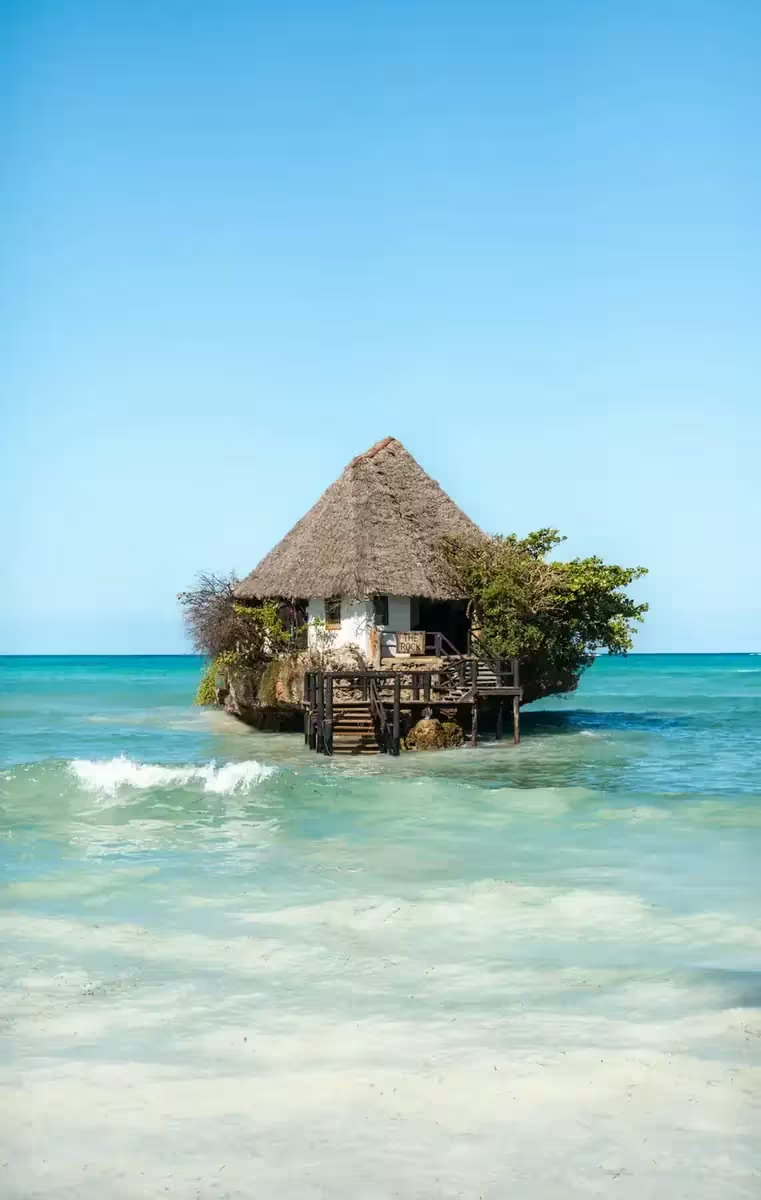
Zanzibar · Stone Town and the Indian Ocean coast
Tanzania · Zanzibar
Stone Town and the Swahili Coast
Zanzibar has been a crossroads for over a thousand years. Persian traders, Arab merchants, Omani sultans, Portuguese navigators, and British administrators all left something behind in Stone Town’s narrow lanes and carved wooden doors. It was the spice capital of the Indian Ocean world — cloves, nutmeg, cinnamon — and the architecture still carries the weight of all that commerce.
Stone Town is a UNESCO World Heritage Site, and one of the best-preserved Swahili trading towns on the East African coast. But most visitors spend a single afternoon there before heading to the beaches. The town rewards more time: the Forodhani night market, the Old Fort, the narrow alleys where the call to prayer and the smell of grilled fish arrive simultaneously.
The beaches are extraordinary. The reefs are intact. And a Zanzibar trip pairs naturally with a mainland safari — fly into Mahale or Ruaha, fly out to the island. Tanzania in two weeks, done properly.
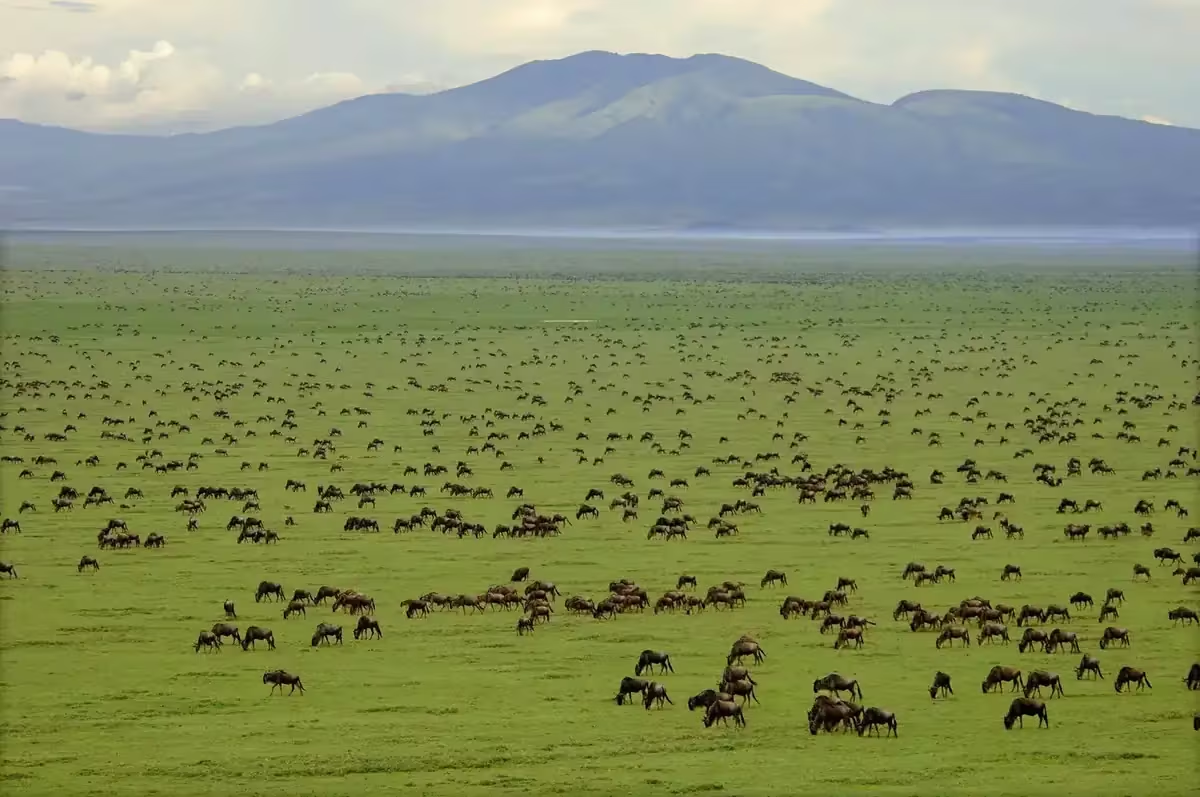
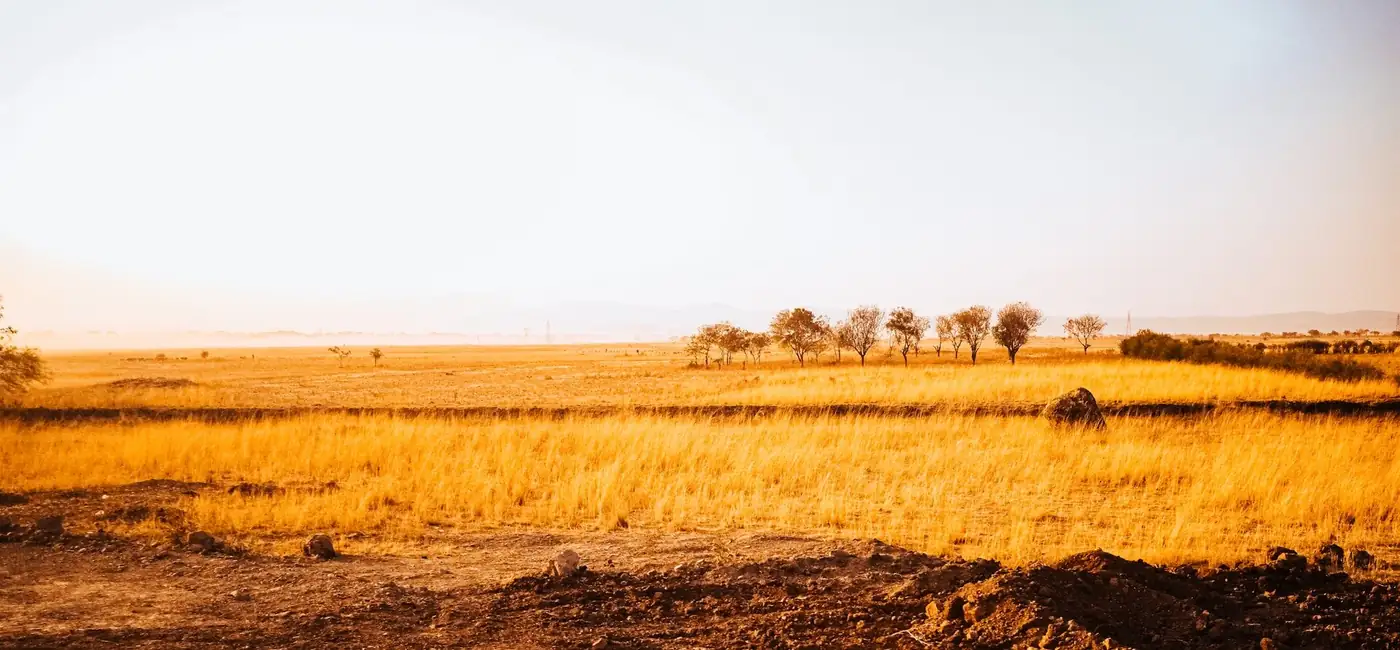
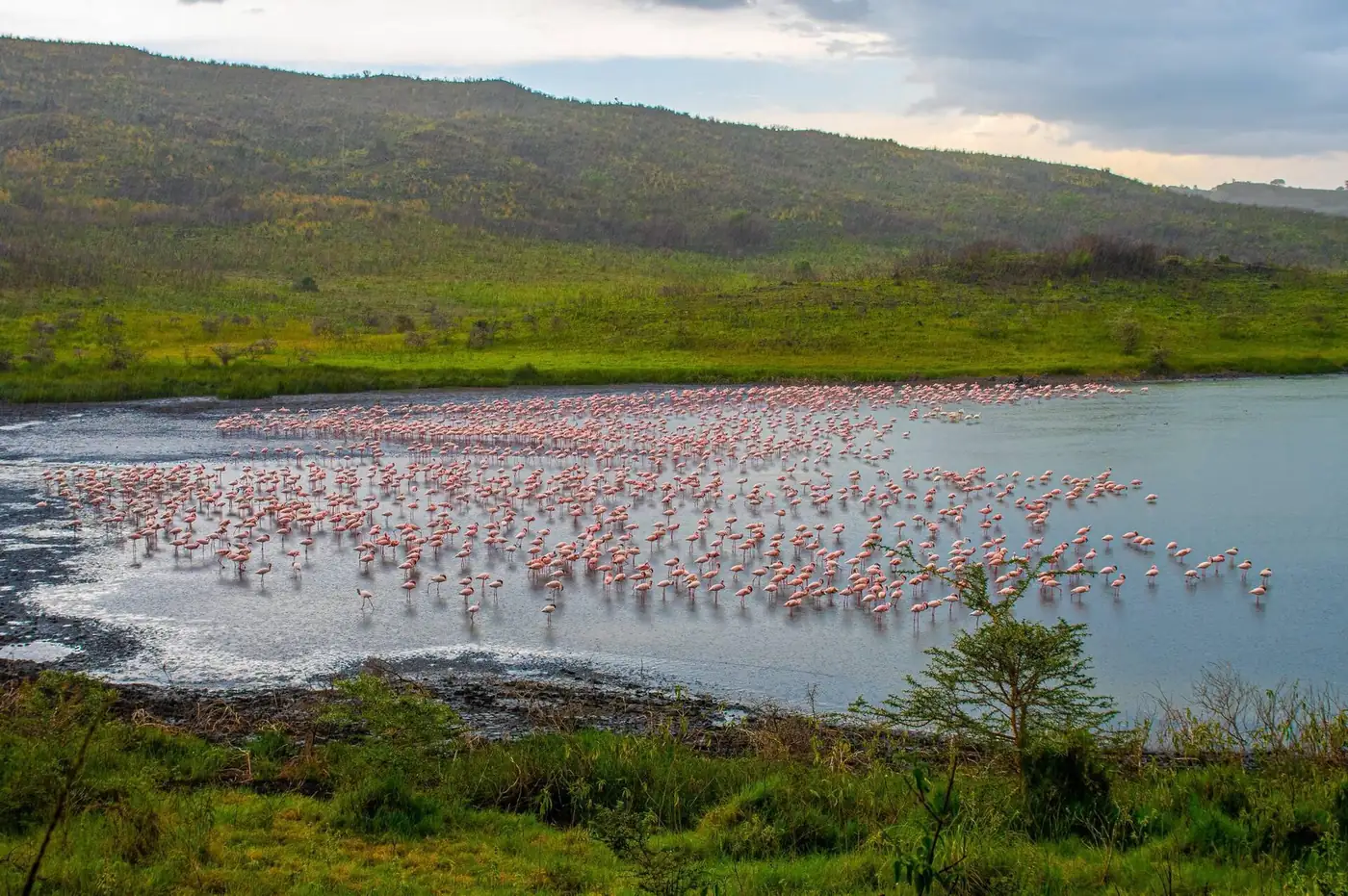
Northern Circuit · the Serengeti migration
Tanzania · Northern Circuit
The Famous Parks
The Northern Circuit is what most people mean when they say “Tanzanian safari” — Serengeti National Park, Ngorongoro Crater, Lake Manyara, Tarangire. Two million annual visitors. A million wildebeest crossing the Mara River in the right week of August. Lions on every itinerary. It is the most filmed and most photographed wildlife landscape on earth and there are reasons: the density of animals is extraordinary, the infrastructure is solid, the migration is real.
The way to do the Northern Circuit well is the way most operators don’t bother to: avoid the crater rim hotels (everyone goes there), camp on the plains where you can hear hyenas at night, time your visit against the migration calendar rather than the school calendar, and accept that you’ll share the road with other vehicles at sightings. It is still worth doing. The Serengeti is not overrated. It is just over-itineraried.
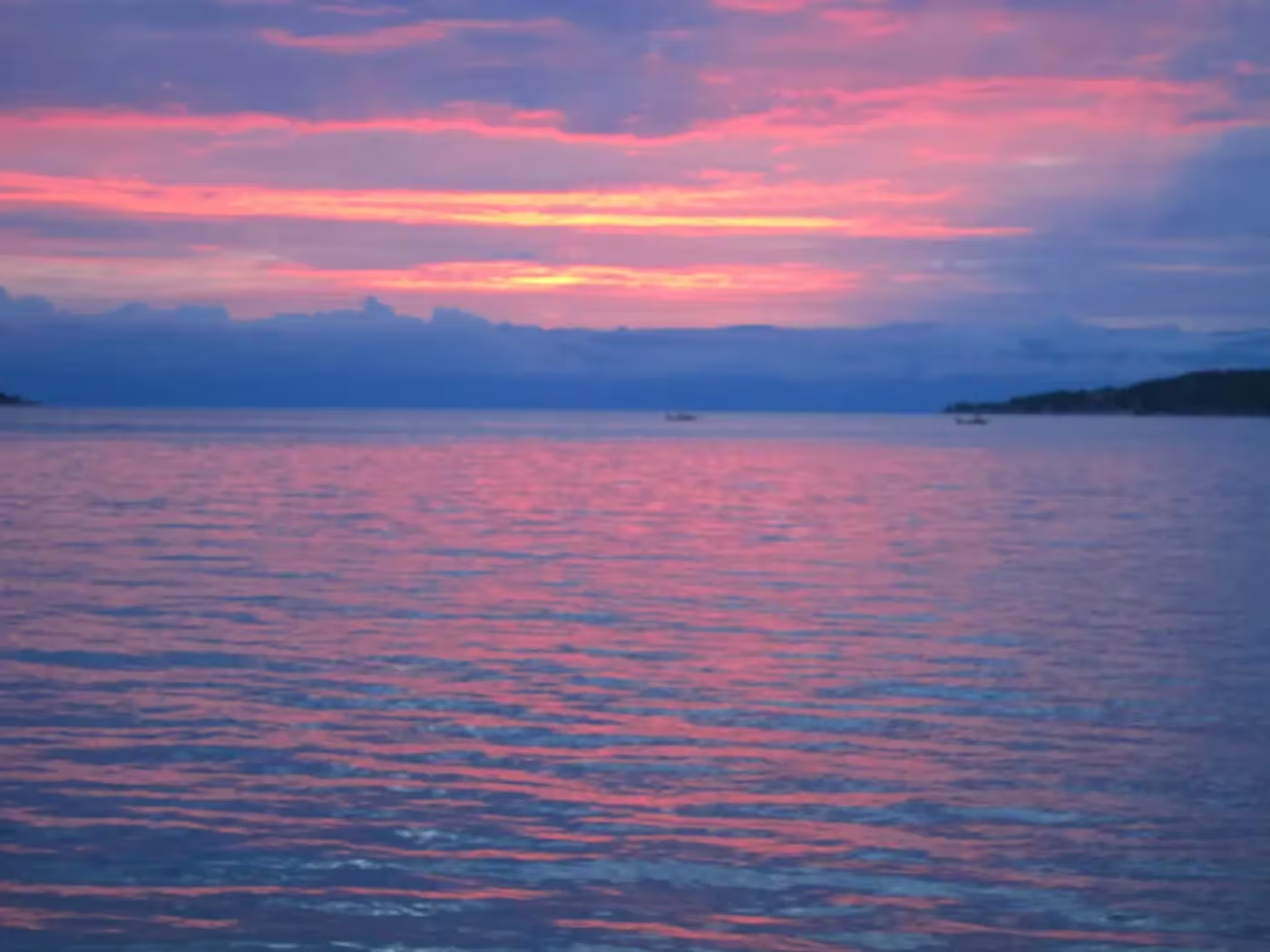
Lake Tanganyika · the deep lake
Tanzania · Lake Tanganyika & Western Shore
Africa’s Deepest Lake
Lake Tanganyika is the second-deepest freshwater lake in the world (1,470 metres) and one of the oldest (between 9 and 13 million years). The Tanzanian shore is mostly inaccessible — Mahale Mountains National Park to the north, Gombe Stream to the further north, fishing villages and inland forest in between. There are no roads along most of the lakefront. The way to travel here is by boat, which is how it has always been done.
The fishing villages at Kigoma and Ujiji have a complicated history: this is where Henry Morton Stanley found Dr. Livingstone in 1871, and it’s also one of the major endpoints of the East African slave trade routes. The current rhythm is quieter — dhows on the lake at dawn, mango trees along the shore, almost no foreign visitors except researchers. This is the slow Tanzania, the part that takes time to reach.
Southern Circuit · the wider, quieter Africa
Tanzania · Southern Circuit
The Wider, Quieter Africa
The Southern Circuit covers Selous (now officially Nyerere National Park), Ruaha, Mikumi, and Saadani. Together it’s the largest protected ecosystem in Tanzania — bigger than Switzerland — and it receives a tiny fraction of the Northern Circuit’s visitor numbers. You can do walking safaris here legally; you can do boat safaris on the Rufiji River; and the lions are larger and the elephants more numerous than anywhere on the Serengeti.
The southern parks are where Tanzania still feels like the Tanzania of older safari literature — fewer vehicles, fewer guests at sundowners, more silence in the early mornings. Camps are smaller and more remote. The flying time from Dar es Salaam is short. The reasons more people don’t come are that it’s not on the package itineraries and the operators here are smaller. Both are advantages.
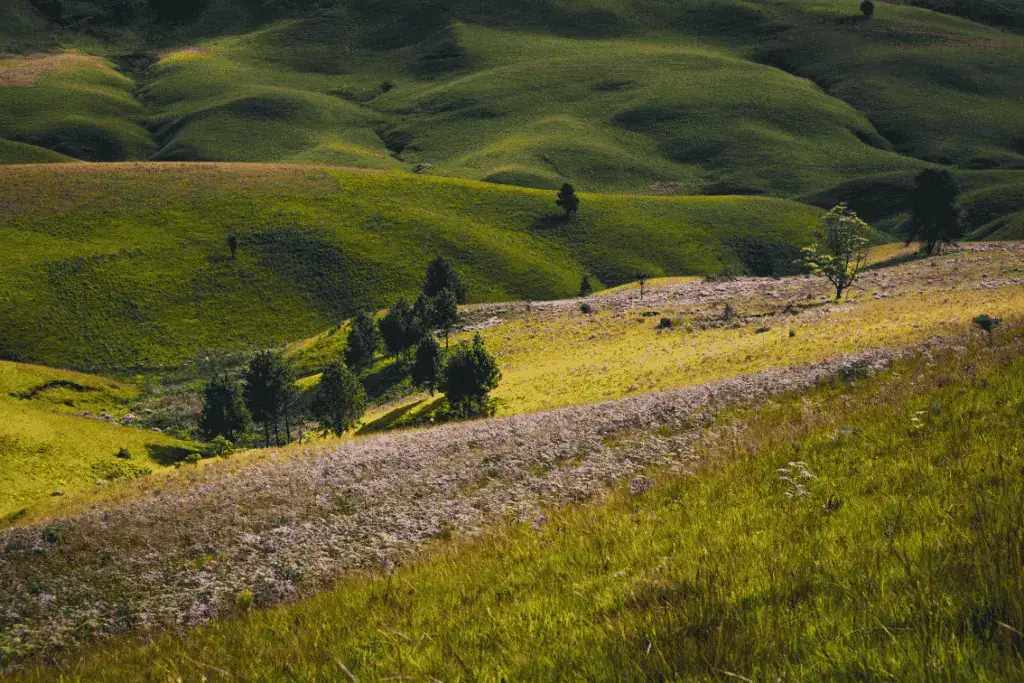
Western Circuit · Katavi and Mahale
Tanzania · Katavi & Western Circuit
The Most Remote Safari in Africa
The Western Circuit is two parks that share an airstrip and a logistics chain: Katavi National Park and Mahale Mountains. Katavi is a 4,500-square-kilometre park that receives fewer than 1,000 foreign visitors per year. The dry-season concentration of hippos and buffalo at the Katuma River pools is the kind of wildlife density that should be heavily marketed and isn’t. Mahale, on Lake Tanganyika, is the chimpanzee park.
The reason almost nobody comes to the Western Circuit is the journey. There are no roads in. You charter a small plane from Arusha or Dar es Salaam, fly several hours over uninterrupted miombo woodland, land on a grass strip, and then you are in a park that operates on a completely different scale of solitude. This is the Tanzania you can have to yourself — at a price.
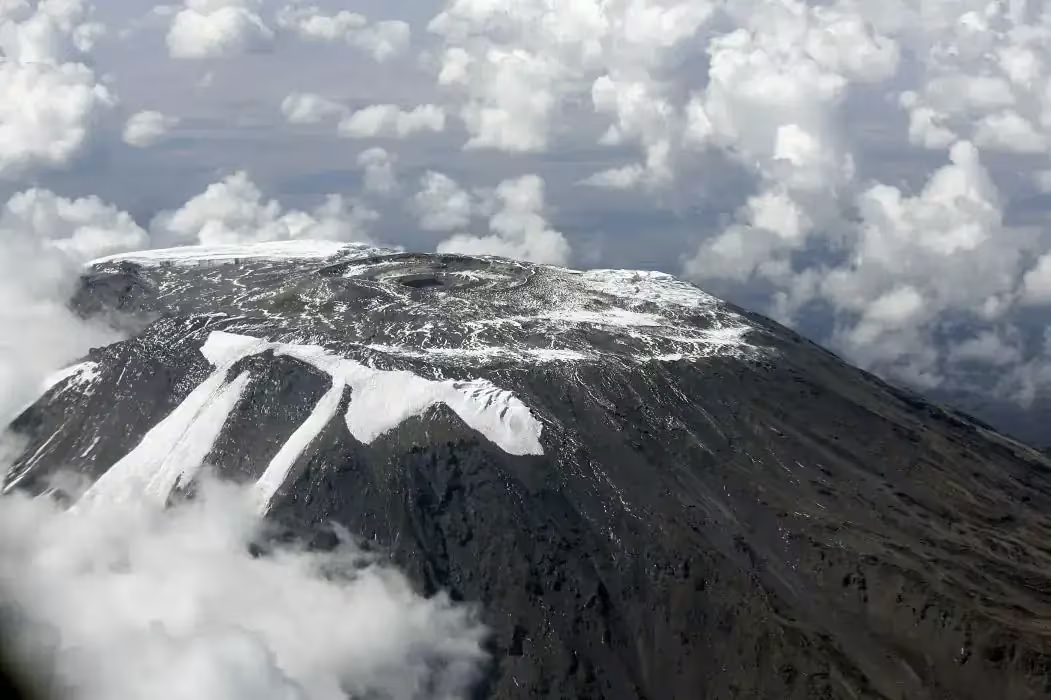
Kilimanjaro · 5,895 metres
Tanzania · Kilimanjaro
Africa’s Highest Mountain
Kilimanjaro is 5,895 metres of dormant stratovolcano rising from the East African plain in northern Tanzania. The summit — Uhuru Peak — has a small, shrinking glacier on top that will likely be gone by 2050. The climb is technically not difficult but it is altitude-relentless: most failure isn’t fitness, it’s altitude sickness, and the routes are different lengths because longer routes acclimatise you better.
There are seven established routes; the Lemosho and Machame routes are the two that combine the best scenery with the best success rates. A typical climb is 6 to 9 days, including descent. Operators run hundreds of climbs per year, but the experience varies enormously based on porter ratios, food, and altitude protocols. The choice of operator is the climb.
Selous · the Rufiji River
Tanzania · Selous & Nyerere National Park
The Largest Park in Africa
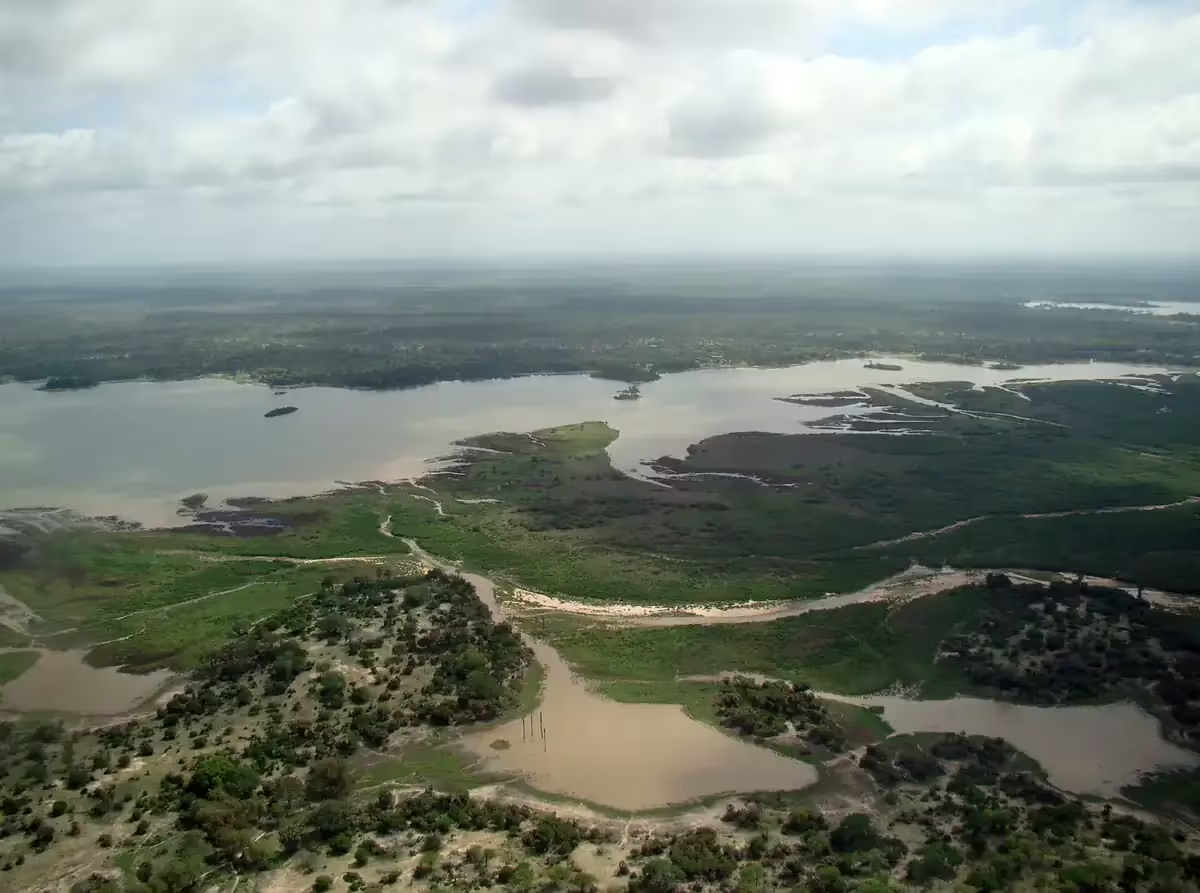
Selous Game Reserve was renamed Nyerere National Park in 2019, but old maps and old guides still call it Selous. It is the largest protected area in Africa: 50,000 square kilometres centred on the Rufiji River, with an ecosystem extending into Mozambique. The river is the spine — boat safaris on the Rufiji are quieter and more intimate than vehicle game drives, and the water levels rise and fall dramatically with the seasons.
Walking safaris are legal in Selous in a way they aren’t in the Serengeti. Half a day on foot with an armed ranger, tracking elephants on foot rather than from a Land Cruiser, recalibrates how you understand the place. The camps are scattered along the river. There are crocodiles, large numbers of crocodiles. You will not be the only thing watching the riverbank.
Tarangire · baobabs and elephants
Tanzania · Tarangire
The Park of Baobabs and Elephants
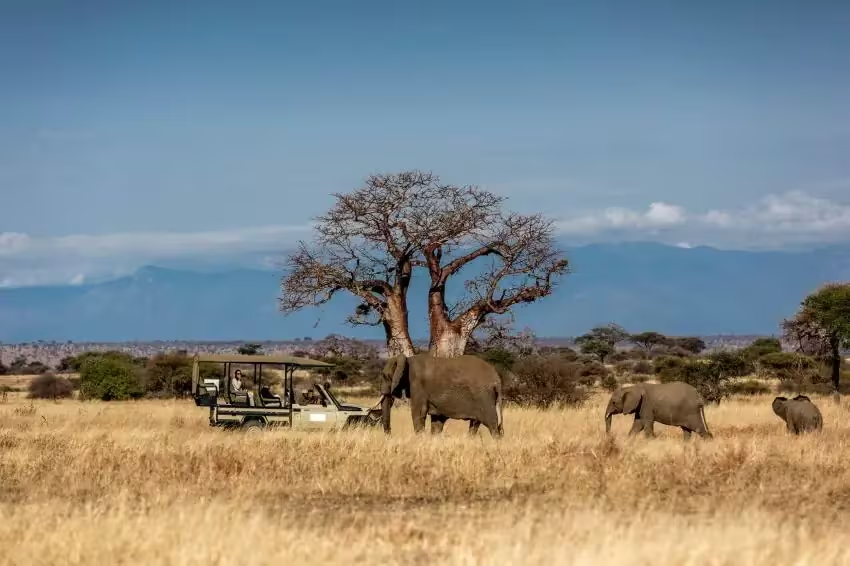
Tarangire National Park is the smaller, less-visited cousin to Serengeti — 2,800 square kilometres about two hours’ drive from Arusha, more famous for its elephant herds than its big cats. The signature trees are baobabs: thousand-year-old, top-heavy, sometimes hollowed out by elephants for water. In the dry season, the Tarangire River draws wildlife from across the broader ecosystem. The animal density rivals the Serengeti for several months.
Most Northern Circuit itineraries include a single night in Tarangire. Two or three nights here would be better. The light is better, the crowds are smaller, and the elephants — Tarangire has the highest concentration of elephants in northern Tanzania — are at their most dramatic against the baobabs at sunrise. Combine with Lake Manyara on the way to or from the Crater.
Pemba · cloves and reef walls
Tanzania · Pemba Island
Zanzibar’s Quieter Sister
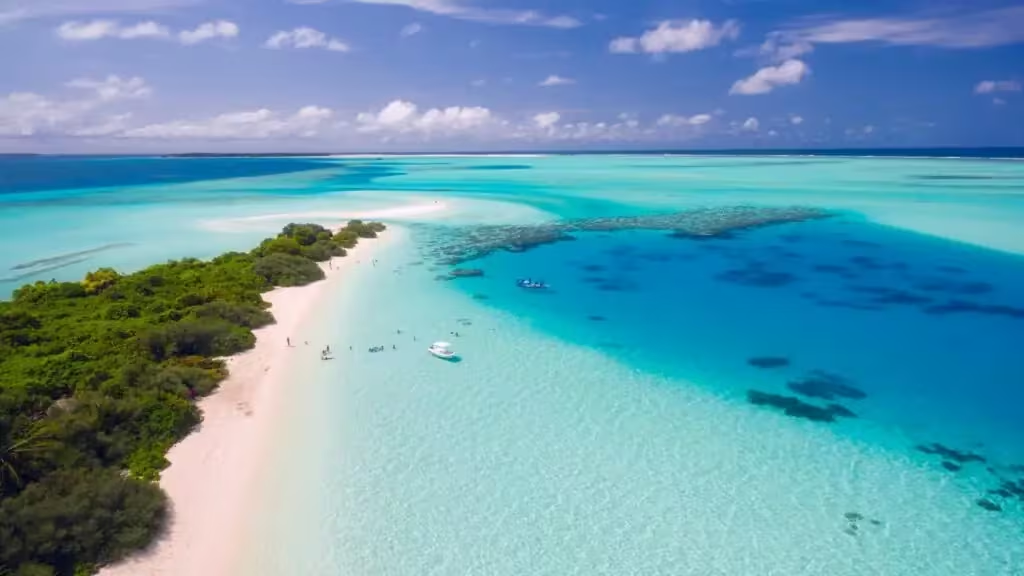
Pemba is the second island of the Zanzibar Archipelago, 50 kilometres north of Unguja (the main Zanzibar island). It is hillier, greener, and less developed: the entire island has fewer hotel rooms than half a kilometre of Stone Town. Pemba is also the centre of the world’s clove trade — 70% of global clove production grew here when the Sultans of Zanzibar made it a state monopoly in the 1820s. The smell at harvest time, in October and November, is a sensory event.
The dive sites are the reason most foreign visitors come: the Pemba Channel drops to 2,000 metres just offshore, and the wall dives at Misali Island and Manta Point are world-class. The infrastructure is small-scale, the pace is slow, and a trip here is the antidote to the Stone Town–Nungwi Zanzibar circuit. Pair with Zanzibar or visit on its own.